Wish List: A Handwritten Font for Polished Web Design
As a web designer, I recently embarked on a project to revamp the online presence of a boutique clothing store. The goal was to create a visually appealing and engaging experience that would resonate with the brand's target audience. One of the key elements in achieving this was selecting the right font. Enter Wish List, a cool and fashionable handwritten font that perfectly complements the store's chic and modern aesthetic.
First Impressions: Smooth Curves and Modern Elegance
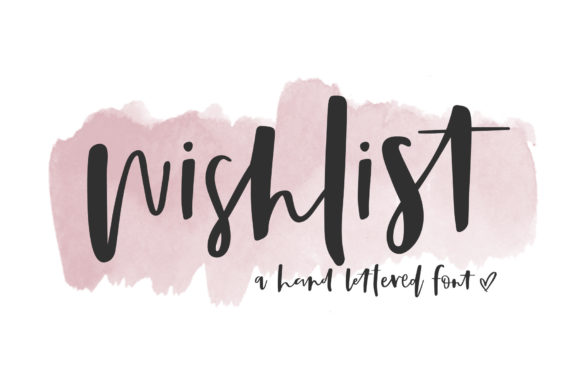
The first thing I noticed about Wish List is its smooth, flowing curves. This script font has an elegant yet approachable feel, making it ideal for fashion branding and editorial designs. When I tested it in the hero section of the homepage, it immediately elevated the overall look and feel, adding a touch of sophistication and personality.
Using Wish List in Website Headers and Hero Sections
For the website headers and hero sections, Wish List worked beautifully. The font's fluid lines and natural handwriting style made the headlines stand out, creating a strong visual impact. I used it for the main title, "Welcome to Our Boutique," and it instantly caught the eye, setting the tone for the rest of the page.
Readability and Visual Hierarchy
While Wish List is visually stunning, it's important to consider readability, especially on mobile screens. For longer text or body copy, I paired it with a clean sans serif font. This combination not only enhanced readability but also maintained a balanced and professional look. In the hero section, I kept the text short and impactful, using Wish List for the headline and a simple sans serif for the subheading and call-to-action buttons.
Enhancing Brand Trust and User Engagement
A well-chosen font can significantly influence brand trust and user engagement. Wish List, with its unique and stylish appearance, added a layer of authenticity and creativity to the brand. It made the website feel more personal and less generic, which is crucial in the competitive world of online retail. The font's consistent and polished look across different sections of the site, from the landing page to the product pages, helped in building a cohesive and memorable brand identity.
Perfect for Creative and Editorial Designs
Beyond the boutique store, Wish List is versatile enough to be used in various creative and editorial designs. For instance, it works wonderfully for a coaching website, where the font can add a personal and trustworthy touch to the content. In a digital brand kit, it can be used for logo text, decorative accents, and supporting typography, giving the brand a unique and memorable look.
Font Pairing and Practical Tips
When using Wish List, it's essential to pair it with a complementary font. For the boutique store, I chose a simple and legible sans serif font for body text and buttons. This pairing ensured that the content remained readable and accessible, while the handwritten font added a touch of elegance and personality. Additionally, I checked the included styles, webfont availability, and file formats to ensure seamless integration into the website. It's also important to verify multilingual support and commercial licensing before using the font on client projects or online stores.
Conclusion
Incorporating Wish List into the boutique store's web design was a game-changer. Its smooth curves and modern elegance brought a fresh and sophisticated look to the site, enhancing both the visual appeal and the user experience. Whether you're working on a creative portfolio, a coaching website, or a product landing page, Wish List is a premium font that can elevate your design and help build a more polished and engaging online brand.