Wekku: A Handwritten Font for Creative Web Design
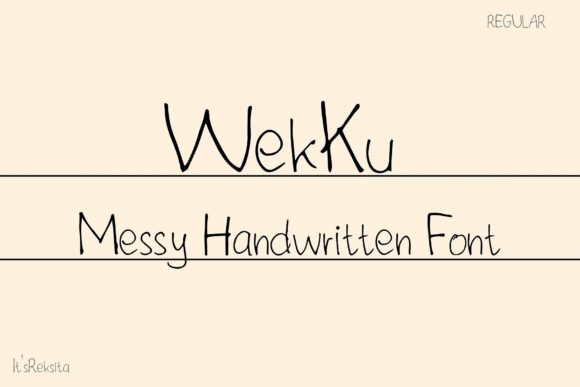
As I was designing the hero section for a boutique online store, I stumbled upon Wekku, a messy yet charming handwritten font. The hand-carved and cozy-looking characters of Wekku instantly caught my eye, promising to add a unique, informal touch to the project.
Visual Characteristics and Personality
Wekku's visual appeal lies in its irregular, playful strokes that mimic the natural flow of handwriting. This gives it a warm, personal feel, making it perfect for projects that need a friendly, approachable vibe. The slightly uneven lines and casual accents make it stand out, adding a human touch to digital designs.
Using Wekku in Website Headers and Hero Sections
In the context of the boutique online store, I decided to use Wekku for the main header and a few key sections. The font's informal and cozy style complemented the brand's aesthetic, which was all about creating a welcoming and personalized shopping experience. For the hero section, I used Wekku for the headline, "Welcome to Our Cozy Corner," and it immediately set the right tone for the site.
Readability and Visual Hierarchy
While Wekku is visually appealing, it's important to consider readability, especially on smaller screens. I tested the font on various devices and found that it works best for larger headlines and short phrases. For longer text or body copy, I paired Wekku with a clean, simple sans serif font like Roboto. This combination ensures that the content remains readable and the overall design feels balanced.
Enhancing Brand Trust and User Engagement
One of the key benefits of using Wekku is how it can enhance brand trust and user engagement. The handwritten style adds a personal, authentic touch, making the brand feel more relatable and trustworthy. In the case of the boutique store, Wekku helped create a more intimate and inviting atmosphere, encouraging visitors to explore further and engage with the products.
Font Pairing and Consistency
To maintain consistency and professionalism, I carefully chose complementary fonts. For the main body text, I used a sans serif font, while Wekku was reserved for headings, call-to-action buttons, and decorative elements. This pairing not only improved readability but also added a layer of sophistication to the design. The contrast between the two fonts created a dynamic and engaging layout.
Practical Examples and Use Cases
- Creative Portfolio: Use Wekku for the main heading and project titles to give your portfolio a personal, artistic touch.
- Boutique Online Store: Apply Wekku to the welcome message and category headers to create a cozy, inviting shopping experience.
- Coaching Website: Incorporate Wekku for the tagline and section headings to convey a friendly, supportive tone.
- Product Landing Page: Use Wekku for the headline and key features to add a unique, informal accent to the page.
Readability Tips for Mobile and Responsive Layouts
When using Wekku on mobile and responsive layouts, it's crucial to ensure that the font remains legible. I recommend using it for larger text sizes and avoiding it for small buttons or fine print. Additionally, test the font on different background colors—Wekku looks great on both light and dark backgrounds, but it's essential to check for sufficient contrast to maintain readability.
Checking Font Details and Licensing
Before incorporating Wekku into any project, it's important to review the included styles, webfont availability, file formats, and commercial licensing. Wekku offers multiple weights and alternates, providing flexibility for various design needs. Additionally, it supports multiple languages, making it a versatile choice for international projects.
In conclusion, Wekku is a fantastic choice for adding a unique, informal, and cozy touch to your web design projects. Whether you're working on a creative portfolio, an online store, or a coaching website, Wekku can help you create a more engaging and memorable user experience. Just remember to balance it with more readable fonts for body text and test it thoroughly across different devices and screen sizes.