Autobiography: A Versatile Script Font for Web Design
Autobiography is a meticulously crafted, highly detailed script font that brings a touch of elegance and personality to any digital project. As a web designer, I've found this typeface to be an invaluable addition to my font library, offering a unique blend of style and functionality.
Visual Characteristics and Personality
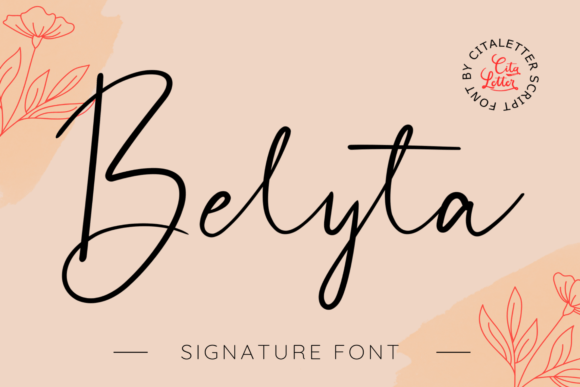
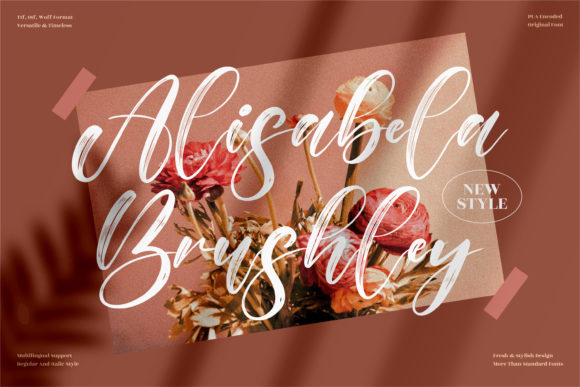
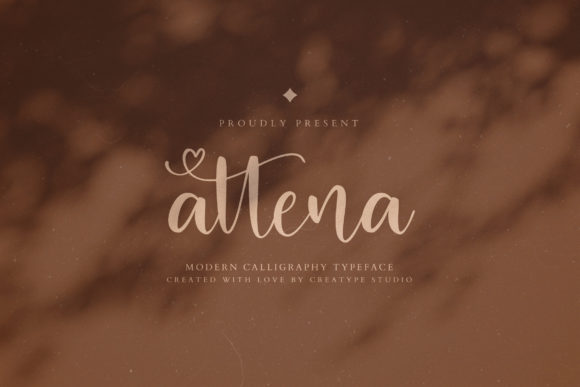
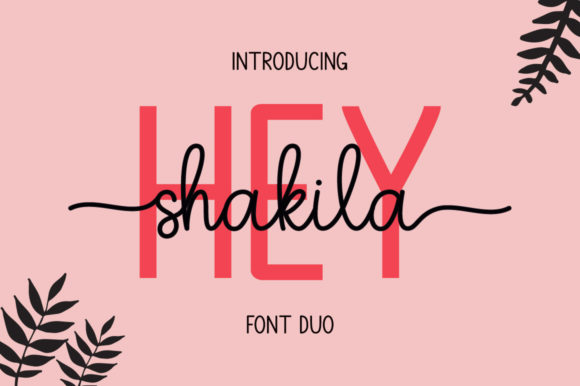
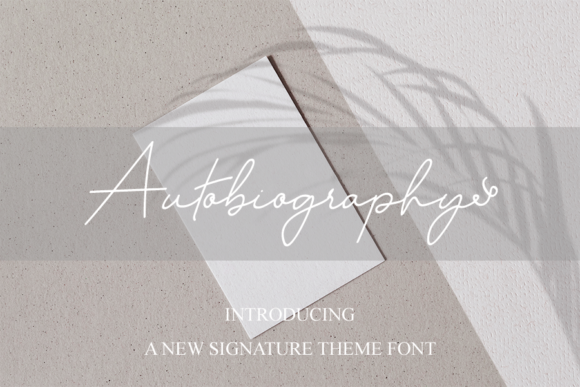
Autobiography features flowing, cursive-like strokes that give it a handwritten, yet polished appearance. The font's high level of detail and neat craftsmanship make it stand out in both large and small text sizes, making it a versatile choice for various design elements.
Using Autobiography in Web Design
One of the key strengths of Autobiography is its ability to enhance visual hierarchy and brand tone. Here’s how you can effectively use this font in different web design contexts:
- Website Headers and Hero Sections: Use Autobiography for the main title or tagline to create a strong, memorable first impression. Its elegant and distinctive style can set the tone for the entire site.
- Landing Pages and Call-to-Action Areas: Incorporate Autobiography for short, impactful phrases or buttons to draw attention and guide user actions. The font's unique character adds a touch of sophistication and urgency.
- Online Shop Banners and Product Descriptions: Apply Autobiography to highlight special offers, product names, or key features. It can help your products stand out and add a premium feel to your shop.
- Blog Graphics and Content Sections: Use Autobiography for section headings or decorative accents to break up content and add visual interest. This can improve readability and keep readers engaged.
Readability and User Engagement
While Autobiography is visually appealing, it’s important to consider its impact on readability, especially in smaller text sizes. For longer text or body copy, pair Autobiography with a clean, simple sans serif font to maintain legibility. This combination ensures that the overall design remains both stylish and user-friendly.
For mobile screens and responsive layouts, test Autobiography at different sizes to ensure it remains clear and readable. Consider using it for larger, more prominent text elements like titles and headings, while reserving simpler fonts for smaller, more detailed information.
Font Pairing and Brand Identity
Effective font pairing is crucial for creating a cohesive and professional brand identity. Autobiography, as a decorative display font, works well when paired with a neutral, easy-to-read sans serif font. This balance helps maintain a modern and accessible look while still allowing Autobiography to shine.
For a more editorial or traditional feel, you might also consider pairing Autobiography with a classic serif font. This combination can add a touch of elegance and refinement, making it ideal for projects that require a more formal or sophisticated aesthetic.
Practical Tips for Using Autobiography
- Check Included Styles and Formats: Ensure that Autobiography comes with the styles and file formats you need for your project. Look for options like regular, bold, and italic, as well as webfont versions.
- Test on Different Backgrounds: Experiment with Autobiography on both light and dark backgrounds to see how it performs. Adjust the font size, color, and weight to achieve the best visibility and contrast.
- Consider Multilingual Support: If your project involves multiple languages, check if Autobiography supports the necessary character sets. This is particularly important for international websites and global brands.
Commercial Licensing and Usage
When using Autobiography for commercial projects, such as client work, online stores, or digital templates, it’s essential to review the licensing terms. Ensure that you have the appropriate license to use the font in your specific context. This not only protects your work but also respects the rights of the font creator.
In summary, Autobiography is a powerful and versatile script font that can elevate your web design projects. By thoughtfully integrating it into your designs and considering its impact on readability and visual hierarchy, you can create a compelling and professional online presence. Whether you’re designing a creative portfolio, a boutique online store, or a coaching website, Autobiography is a valuable asset in your design toolkit.